
Europe is facing a rapidly escalating energy crisis that threatens to paralyze its aviation sector within weeks, as disruptions in global oil supply chains expose the continent’s deep structural vulnerabilities.
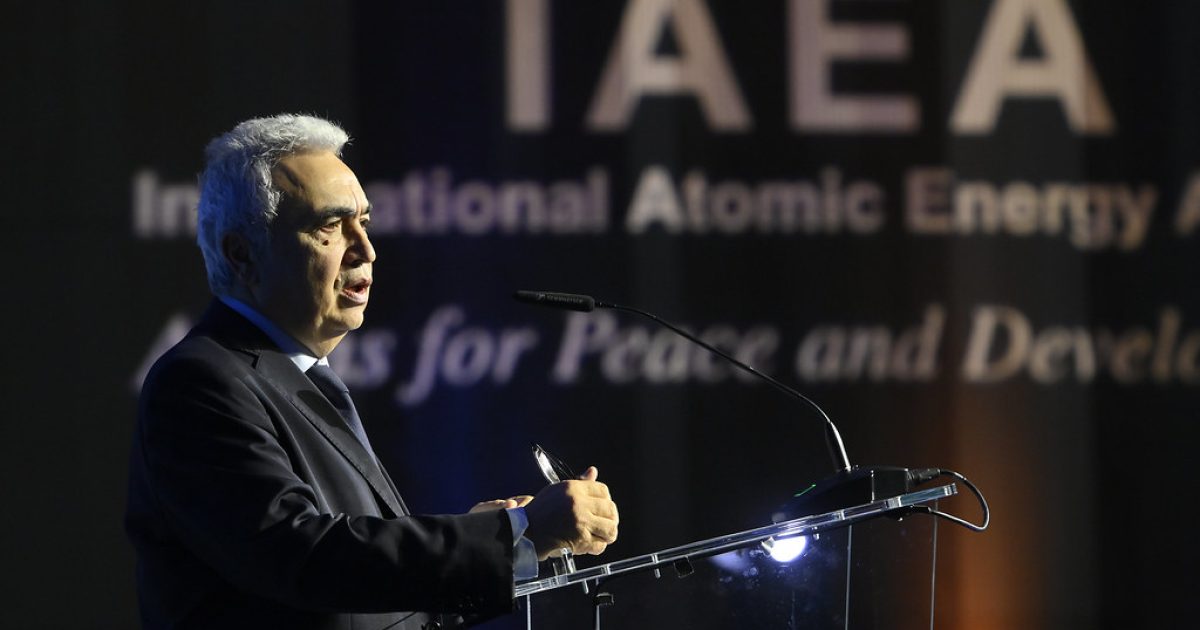
According to International Energy Agency chief Fatih Birol, Europe may have as little as six weeks of jet fuel remaining if current conditions persist. Birol’s warning comes amid ongoing turmoil tied to the conflict with Iran, which has severely disrupted one of the world’s most critical energy chokepoints—the Strait of Hormuz. This narrow passage normally facilitates roughly 20 percent of global oil flows, making it indispensable to energy markets.
Not mincing words in his assessment of the situation, Birol described the situation as “the largest energy crisis we have ever faced,” he warned that supply disruptions are already reverberating across global markets and will soon be felt by ordinary Europeans.
“I can tell you soon we will hear the news that some of the flights… might be cancelled as a result of lack of jet fuel,” Birol said, highlighting the urgency of the crisis. His remarks underline a looming aviation disruption that could ripple across tourism, trade, and business travel, with summer just a few months away.
The root of the crisis lies in geopolitical escalation. Following military actions involving the United States and Israel, Iran moved to effectively close access to the Strait of Hormuz for what it considers hostile shipping, choking off vital energy flows.
This decision triggered immediate consequences. Tankers began rerouting or turning back entirely, while oil prices surged toward $100 per barrel, further intensifying pressure on already fragile supply chains.
For Europe, the consequences are particularly severe. Having deliberately reduced reliance on Russian energy in recent years, the continent now finds itself heavily dependent on Middle Eastern imports—precisely the region now engulfed in conflict.
This strategic shift, often framed by policymakers as a moral and geopolitical necessity, is now being exposed as a high-risk gamble. Without sufficient domestic production or diversified supply routes, Europe’s energy security has been left dangerously exposed.
Birol warned that alternative supply routes are limited and insufficient to offset the loss of Hormuz-linked shipments. As a result, Europe is burning through its existing reserves at an alarming pace.
Industry estimates suggest that, under normal conditions, airlines and airports maintain roughly six weeks of jet fuel supply. However, with new shipments disrupted and reserves being drawn down, those buffers are quickly disappearing.
Early signs of strain are already visible across the aviation sector. Airlines are beginning to cancel flights not necessarily due to immediate shortages, but because soaring fuel costs are making routes economically unviable.
The Air France-KLM has announced cuts to 160 flights in the coming month, citing rising kerosene costs. While the airline insists there is no immediate shortage, the financial pressure is clearly mounting.
Elsewhere, cancellations are becoming more widespread. Reports indicate that SAS has scrapped approximately 1,000 flights, while smaller carriers in the UK have also reduced services as fuel prices skyrocket. Fuel costs have surged dramatically, with some estimates indicating increases of around 120 percent year-on-year. This spike is already being passed on to consumers through higher ticket prices, particularly on long-haul routes.
Even major hubs are feeling the impact. London’s Heathrow Airport has reportedly experienced cancellations linked to rising fuel costs, signaling that the crisis is no longer theoretical but operational.
Despite reassurances from some carriers, such as easyJet, that short-term supplies remain stable, the broader outlook remains grim. Executives acknowledge visibility only weeks ahead, with uncertainty beyond that point.
The situation is further complicated by the exhaustion of shipments that were already en route before the conflict escalated. With those final cargoes now delivered, Europe is increasingly reliant on dwindling reserves.
Birol likened the situation to a “dire strait,” warning that the longer the disruption continues, the more severe the consequences will be for global economic stability. Inflationary pressures are expected to intensify as energy costs rise across the board.
“Higher petrol prices, higher gas prices, high electricity prices,” he warned, outlining a cascade of economic effects that will hit households and industries alike. The broader implications extend far beyond aviation. Rising energy costs threaten to slow economic growth, strain public finances, and deepen social tensions already simmering across Europe.
Critics argue that Europe’s current predicament is the direct result of years of ideological policymaking that prioritized political signaling over energy realism. By abandoning reliable supply sources without securing viable alternatives, policymakers have left the continent vulnerable.
Meanwhile, other parts of the world are adapting more pragmatically. Countries across Asia, including Indonesia and Vietnam, are securing alternative energy supplies, while Russia has signaled its willingness to fill gaps in global markets. This contrast highlights a growing divide in how governments around the world approach energy security. While some pursue diversification and resilience, Europe appears increasingly constrained by its own out-of-touch policy choices.
The post International Energy Chief: Europe Has Just “Six Weeks” of Jet Fuel Left appeared first on The Gateway Pundit.