
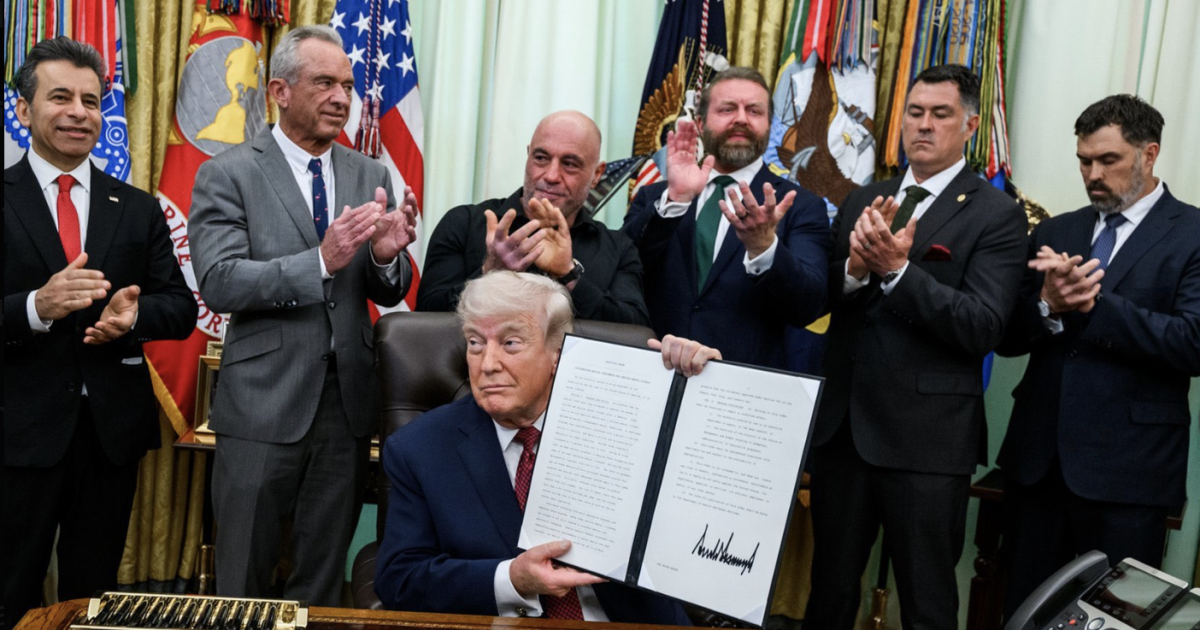
The directive calls on the FDA to accelerate its review process for certain substances—especially ibogaine, derived from the African iboga plant, as well as other compounds such as psilocybin- and MDMA-based therapies that have already received Breakthrough Therapy designation.
A renewed national effort to confront the hidden wounds of war is gaining momentum in Washington, as lawmakers and federal officials push to expand research into psychedelic-assisted therapies for America’s veterans.
For decades, policymakers have wrestled with how best to treat the psychological toll carried home by those who served. Now, a new bipartisan push suggests the country may be ready to explore unconventional tools once dismissed or misunderstood.
At the center of this effort is newly introduced legislation aimed at preparing the Department of Veterans Affairs to evaluate emerging therapies, including psychedelic treatments currently under federal review. Supporters say the goal is simple: give veterans every possible chance to heal.
“Veterans suffering from invisible wounds like PTSD and depression deserve the same level of care from their VA as those with physical wounds,” said Sen. Tim Sheehy. “It’s past time we ensure our system is equipped to meet their needs.”
The urgency behind such proposals is hard to ignore. Leaders in Washington increasingly point to a grim reality—America has lost far more veterans to suicide after war than on the battlefield itself.
Standing at the Resolute Desk, President Donald Trump underscored that reality in stark terms. “Since 9/11, we’ve lost over 21 times more veteran lives to suicide than on the battlefield,” he said. “Today, we’re bringing them new hope.”
In response, the administration has taken steps to accelerate research into ibogaine, a powerful psychedelic compound derived from an African plant. Though currently classified as a Schedule I substance, it has drawn increasing scientific interest for its potential to treat PTSD, addiction, and traumatic brain injuries.
The administration has committed at least $50 million toward research, signaling a major shift in federal priorities. The effort also includes exploring pathways to allow certain patients access to experimental treatments under existing “Right to Try” laws.
Officials emphasize that the move is not about abandoning scientific rigor, but about removing barriers that have long slowed progress. “We owe it to our war fighters and veterans to turn over every stone,” said Health and Human Services Secretary Robert F. Kennedy Jr.
For many veterans, the conversation is deeply personal. Former Navy SEAL Marcus Capone described years of struggle after multiple deployments, cycling through treatments that offered little lasting relief.
“Every time you come home from a war zone, you feel like you lose a little bit of yourself,” Capone said, recalling emotional swings between anger and despair. It wasn’t until he pursued ibogaine treatment abroad that he experienced a breakthrough. The process, he said, was intense and demanding, but ultimately transformative.
“The psychedelic shows you not what you want to see, but what you need to see,” he explained. “You deal with it… you get past the grief, the shame.”
Stories like Capone’s are not isolated. Across the country, veterans continue to seek alternative therapies—often traveling overseas due to regulatory restrictions at home. That reality has raised concerns among policymakers who argue that American veterans should not have to leave their own country to access potentially life-saving care. It has also fueled calls for a more structured, medically supervised approach within the United States.
Advocates say the need is especially urgent for post-9/11 veterans, many of whom continue to carry both visible and invisible wounds from two decades of conflict. “Our healthcare system has not kept pace and veterans are the ones paying the price,” said Dr. Kyleanne Hunter of Iraq and Afghanistan Veterans of America.
Beyond ibogaine, other substances—including psilocybin, DMT, and ketamine—are being studied for their therapeutic potential. Early findings suggest these treatments may help address conditions ranging from depression and PTSD to chronic pain and substance abuse.
A recent Stanford study involving special operations veterans found significant improvements in mental health symptoms following a single ibogaine session. Researchers reported reduced PTSD, depression, and anxiety, though they cautioned that larger studies are still needed.
Meanwhile, clinical psychologists studying psilocybin say such substances may work by disrupting harmful mental patterns. By loosening deeply ingrained narratives tied to trauma, patients may be better able to process and move beyond their experiences.
“If there is this repetitive groove in one’s mind that is damaging… we would want to disrupt that,” said researcher Joseph Zamaria. Veterans like Jesse Gould have taken that message to heart. After multiple combat deployments and years of struggling with PTSD, Gould sought out psychedelic treatment in Peru.
“The PTSD, the depression, the hyper vigilance no longer affected me to the same degree,” he said.
Motivated by that experience—and by the loss of fellow service members to suicide—Gould founded the Heroic Hearts Project, which helps veterans access similar treatments in controlled environments.
“I think something bad is already happening with veterans because they are taking their own lives,” Gould said, pushing back on arguments that reform should wait for federal approval.
Still, not everyone is ready to move forward without caution. Some researchers warn that while psychedelics show promise, there are risks, particularly for individuals with certain psychiatric conditions.
“There are some small subsets of people… who can become psychotic or manic,” said Johns Hopkins researcher Albert Garcia-Romeu, emphasizing the need for proper safeguards.
Advocates agree that safety must come first. Many programs already employ rigorous screening processes to minimize risk and ensure that treatments are administered responsibly.
“These experiences absolutely carry risk,” Gould acknowledged. “That is exactly why screening, preparation and integration matter so much.”
The current movement stands in stark contrast to the military’s past experimentation with psychedelics during the Cold War, when soldiers were sometimes exposed to substances without their knowledge or consent.
Programs like MK-Ultra and the Edgewood Arsenal tests left a troubling legacy, raising ethical questions that still echo today. Supporters of today’s efforts insist that transparency, consent, and medical oversight are non-negotiable.
In Congress, additional proposals aim to establish specialized treatment centers within the VA system, ensuring that veterans can access cutting-edge care closer to home. At the state level, lawmakers across the country are also beginning to explore regulatory frameworks for psychedelic therapy, reflecting growing bipartisan interest in the issue.
For many Americans, the shift represents something deeper than policy—it reflects a broader recognition of the nation’s obligation to those who served. “There is hope,” said Amber Capone, whose family has become deeply involved in advocacy. “You can actually live rather than simply survive.”
The post BREAKTHROUGH? Trump Backs Psychedelics for Veterans as Suicide Crisis Explodes—After Big Pharma Ignored It appeared first on The Gateway Pundit.